
Describe the symptoms before choosing a repair
Backups, gurgling, slow drains, odors and wet ground mean the system needs assessment. No single symptom identifies the failed part.
A slow drain may involve a clogged line, inlet baffle issue, full tank or drainfield that no longer accepts liquid. Note where the sign appears, how many fixtures are affected and how timing relates to water use.
Treat sewage contact as a health concern: avoid standing wastewater, keep children and pets away, and arrange a professional assessment promptly. Symptoms alone do not prove a specific failure; see the warning-signs guide.
- 01 · Identify the problemHave the system and affected components assessed.
- 02 · Compare the optionsConsider component condition, site constraints and county requirements.
- 03 · Confirm the scopeCompare written repair or replacement proposals before agreeing to work.
Which part of the system needs attention?
A conventional system separates solids in the tank and sends liquid effluent to a drainfield, where soil provides further treatment. A problem can sit in piping, the tank, a pump or control, or the soil-treatment area. Each has a different service path.
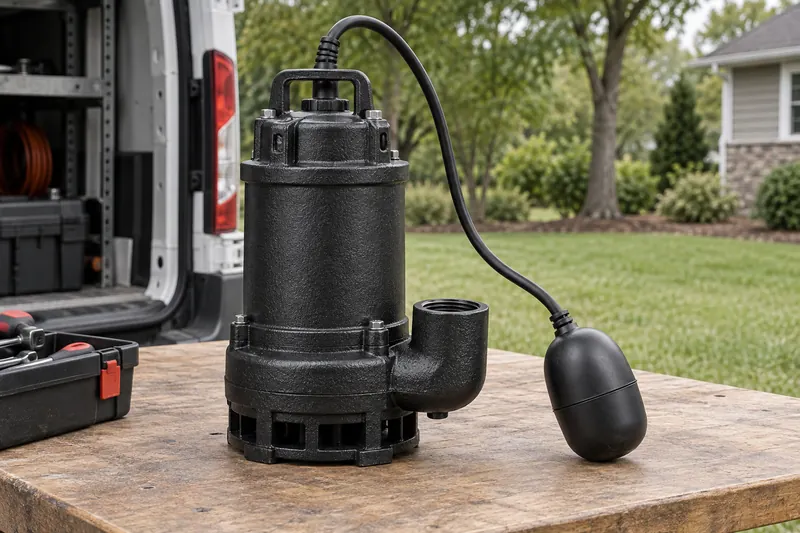
The questions below help an evaluator choose where to look first. They are service categories, not remote diagnoses. If alarms, control behavior or effluent flow are involved, review septic pump repair and replacement to understand how pumps and controls are checked and serviced.
| Component | Questions that guide the assessment |
|---|---|
| Tank and piping | When did backups start? Do they cluster at the lowest fixtures? Is the problem constant or tied to heavy water use? What are the last pumping or inspection records? Is the tank and inspection port location known? |
| Pump and controls | Is there an alarm, and when did it first sound? Does the pump run, cycle too often, or show panel changes? Has electrical or float work been done? Is the pump serving a dosing or pressure system with service history? |
| Drainfield | Where is the wet or soft ground in relation to the field? Does it dry between water-use events? Any recent landscaping, paving, heavy traffic or tree changes? Are there surface odors after normal use? |
Information that helps the assessment
A short, factual summary of what you can observe safely is usually enough to start.
- The timeline: when the problem first appeared and whether it is constant or intermittent.
- Which fixtures are affected and whether they drain poorly inside or outside the house.
- Recent pumping or service dates, if known.
- Pump alarm or control panel behavior, including what the light or sound does.
- Recent changes: new appliances, extra occupants, water softener work, landscaping, paving or heavy rain.
- Copies of permit drawings or service records, if you have them.
- Any standing water, sewage contact or odor that you can describe by location.
Repair approval and scope
Work involving covered septic components may need county review. Confirm requirements for the specific repair with the Elkhart County Health Department before work begins.
Ask the provider to identify the work, required approvals and what is included in the written scope. County permit fees and contractor service charges are separate items.
Repair or replacement
Repair and replacement decisions turn on condition, not age alone. Whether a component can be repaired depends on assessment findings, approved site options and requirements. Safety, site constraints and county approval belong in that conversation.
If wet ground or outdoor odors point to the soil-treatment area, review drain field repair and replacement. See what full septic system replacement involves when repair is no longer practical, and compare factors in should you repair or replace your septic system.